

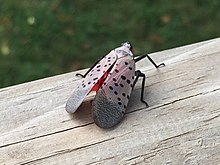
Dealing with Spotted Lanternflies in New Jersey: Solutions from Ewing Tree Service
In recent years, New Jersey has seen a rapid spread of the Spotted Lanternfly, an invasive insect that poses a serious threat to trees, plants, and agriculture. Originally from Asia, the Spotted Lanternfly feeds on over 70 plant species, including trees such as the Tree of Heaven, maples, and black walnuts. If left unmanaged, this pest can weaken trees and harm crops, making it crucial to take action when infestations are spotted.
The Threat of Spotted Lanternflies in New Jersey
Spotted Lanternflies damage trees and plants by feeding on sap, which weakens the host and makes it more vulnerable to disease. As they feed, they excrete a sugary substance called honeydew, which encourages the growth of sooty mold on leaves and trunks. This process not only harms individual trees but also disrupts the surrounding ecosystem, impacting other vegetation and even wildlife. With New Jersey’s lush landscapes and agricultural sectors at risk, controlling Spotted Lanternfly infestations is vital.
How Ewing Tree Service Manages Spotted Lanternfly Infestations
Ewing Tree Service has developed specialized methods to help New Jersey residents and property owners combat Spotted Lanternfly problems. Our team is trained in effective and eco-friendly techniques to manage and mitigate these pests, helping to protect both your trees and the larger landscape.
Our Process
1. Inspection and Identification: Our experts begin by thoroughly inspecting your property to identify Spotted Lanternfly hotspots. We examine trees, plants, and areas where Spotted Lanternflies are commonly found to assess the extent of the infestation.
2. Treatment and Control: Once identified, we implement targeted treatments to reduce Spotted Lanternfly populations. These treatments include safe and environmentally responsible insecticides that directly target the pests without harming your trees or surrounding plants.
3. Prevention and Monitoring: Ewing Tree Service also provides guidance on preventive measures to minimize future Spotted Lanternfly invasions. By using strategies like tree banding, removing egg masses, and regular monitoring, we help reduce the risk of reinfestation on your property.
Why Trust Ewing Tree Service for Spotted Lanternfly Control?
As a local New Jersey business, Ewing Tree Service understands the challenges that invasive pests bring to our region. Our experienced team is dedicated to preserving the health and beauty of New Jersey’s landscapes. We use only safe and effective techniques, combining knowledge of local ecology with proven pest management practices to ensure long-term results.
Contact Us Today
If you’re concerned about Spotted Lanternflies on your property, Ewing Tree Service is here to help. Reach out to us for an inspection and to learn more about how we can protect your trees and plants from these destructive pests.
For more information about the Spotted Lanternfly, visit https://en.wikipedia.org/wiki/Spotted_lanternfly
Frequently Asked Questions
What are Spotted Lanternflies?
Spotted Lanternflies are invasive pests that feed on the sap of over 70 plant species, weakening them and spreading harmful honeydew that promotes mold growth.
How do I know if my property has Spotted Lanternflies?
Look for clusters of adults with distinctive spotted wings, egg masses on trees, and blackened mold caused by honeydew on tree trunks and plants.
Does Ewing Tree Service offer preventative services?
Yes, we provide treatments and preventive measures, including removal of egg masses and tree banding, to protect against future infestations.

